A Data-Driven Look at Dubai’s Real Estate Market (2015–2026)
Introduction
Dubai’s real estate market has gone through several cycles over the last decade — including periods of correction, stabilization, and rapid growth.
Despite these fluctuations, the overall trend shows strong long-term appreciation driven by global investment demand, infrastructure expansion, and population growth.
Data from market research and the Dubai Land Department indicates that Dubai property prices have increased by roughly 58% between 2015 and 2025, with average prices rising from around AED 962 per square foot to approximately AED 1,524 per square foot during that period.
This long-term growth has made Dubai one of the most attractive real estate markets for international investors.
In this guide, we analyze the Dubai property growth rate over the last 10 years, including market cycles, price trends, and the factors that shaped the city’s real estate performance.
Table of Contents
Overview of Dubai Property Growth in the Last Decade
Dubai Property Prices: 10-Year Data Overview
Major Market Phases (2015–2026)
Post-Pandemic Growth Surge
Rental Market Growth Trends
Factors Driving Property Price Growth
Which Property Types Grew the Most
How Dubai Compares to Global Markets
Future Outlook for Dubai Real Estate
FAQs – Dubai Property Market Growth
Final Thoughts
Disclosure
Overview of Dubai Property Growth in the Last Decade
Dubai’s property market has grown significantly over the past 10 years, although not in a straight line.
The market experienced:
A slowdown between 2015 and 2019
A pandemic-driven dip in 2020
A strong recovery starting in 2021
Record transaction activity between 2022 and 2025
Overall, average residential property prices increased about 58% over the decade, reflecting long-term market expansion.
Dubai Property Prices: 10-Year Data Overview
Average property price trends show how the market evolved.
Year | Average Price per Sq. Ft (AED) | Market Trend |
2015 | ~962 | Market correction phase |
2016 | ~951 | Continued slowdown |
2017 | ~1,000 | Market stabilization |
2018 | ~1,024 | Moderate growth |
2019 | ~900 | Oversupply pressure |
2020 | ~894 | Pandemic impact |
2021 | ~1,050 | Recovery begins |
2022 | ~1,200 | Strong growth cycle |
2023 | ~1,350 | Investor demand surge |
2024 | ~1,450 | Record transactions |
2025 | ~1,524 | Market peak |
Source: Dubai market reports and property price indices.
This data shows that Dubai real estate has experienced cyclical movements but strong long-term appreciation.
Major Market Phases (2015–2026)
1. Market Correction (2015–2019)
Between 2015 and 2019, Dubai property prices declined due to:
• Oversupply of residential units
• Global oil price slowdown
• Reduced investor activity
During this period, price growth was negative in several years, with declines ranging from -3% to -8% annually.
However, the market gradually stabilized toward the end of the decade.
2. Pandemic Dip (2020)
The global COVID-19 pandemic caused a temporary decline in property demand.
Residential prices dropped roughly 7% in 2020, reflecting global economic uncertainty and travel restrictions.
Despite this, Dubai recovered faster than many global cities.
3. Post-Pandemic Boom (2021–2024)
The most dramatic growth occurred after the pandemic.
Several factors triggered this surge:
• Global wealth migration to Dubai
• Relaxed visa policies
• Tax advantages
• Economic recovery
Property prices increased dramatically during this period.
In fact, prices rose nearly 60% between 2022 and early 2025 alone, according to market reports.
Luxury properties saw even stronger appreciation.
Rental Market Growth Trends
Rental demand has also increased significantly.
Dubai’s rental market recorded annual growth rates exceeding 20% during peak recovery periods, before stabilizing around 6–8% in recent years.
Strong rental growth reinforces property investment returns.
For area-specific rental analysis, see:
👉 Dubai Rental Yield by Area: Where Investors Earn the Most
Factors Driving Dubai Property Growth
Several structural factors explain the market’s long-term growth.
Population Growth
Dubai’s population has grown steadily, creating strong housing demand.
Global Investor Demand
Dubai attracts buyers from over 60 nationalities, making it one of the world’s most international property markets.
Infrastructure Development
Major projects have supported property growth, including:
• Metro expansion
• New airports
• Mega communities
• Smart city initiatives
For example:
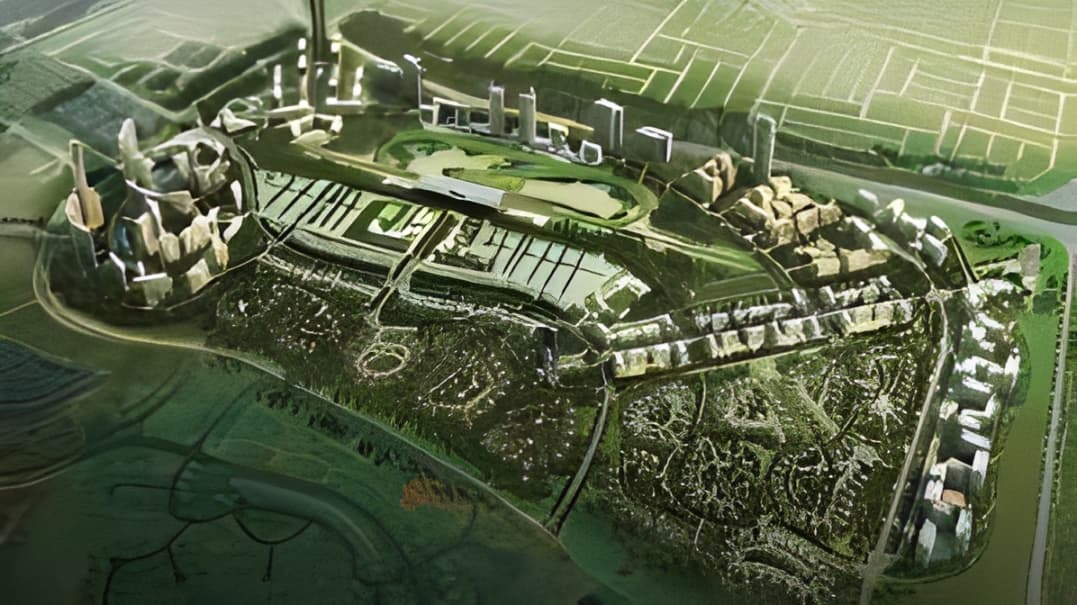
👉 Dubai 2040 Urban Master Plan
Investor-Friendly Policies
Dubai offers several advantages compared to other global markets.
Key incentives include:
• No annual property tax
• Full foreign ownership in designated areas
• Long-term residency through property investment
Learn more here:
👉 Dubai Golden Visa Rules Explained Simply
Which Property Types Grew the Most?
Different property segments performed differently over the last decade.
Villas and Luxury Homes
Luxury villas experienced the strongest appreciation.
Some villa communities recorded 40% annual price growth during peak periods.
Apartments
Apartments remain the most traded property type.
More than 80% of transactions in Dubai involve apartment units, highlighting their importance for investors.
Off-Plan Developments
Off-plan properties have also played a major role in market growth.
Developers frequently launch projects with flexible payment plans.
👉 How Off-Plan Property Works in Dubai
How Dubai Compares to Global Markets
Over the last decade, Dubai has outperformed many international real estate markets.
Reasons include:
Strong foreign investment
Pro-business economic policies
Rapid urban development
Strategic geographic location
These advantages have made Dubai one of the fastest-growing property markets globally.
Future Outlook for Dubai Real Estate
Market analysts expect Dubai’s property market to continue growing, although at a more moderate pace.
Key future drivers include:
Population growth toward 2040
Infrastructure expansion
Continued foreign investment
New master-planned communities
However, some analysts also expect periodic corrections due to supply increases, which is normal in cyclical real estate markets.
Long-term fundamentals remain strong.
FAQs – Dubai Property Market Growth
How much have Dubai property prices increased in the last 10 years?
Average prices increased roughly 58% between 2015 and 2025.When did Dubai property prices fall?
Prices declined between 2015–2019 and briefly during 2020.What caused the recent property boom?
Post-pandemic migration, foreign investment, and investor-friendly policies.Is Dubai property still growing?
Yes, although growth is expected to stabilize after several years of rapid increases.
Final Thoughts
Dubai’s real estate market has experienced significant growth over the last decade.
Despite temporary corrections, the overall trend shows strong appreciation driven by global investment, economic expansion, and large-scale infrastructure development.
From market corrections in the late 2010s to the explosive growth after 2021, Dubai has demonstrated resilience and adaptability.
For investors, understanding these market cycles is essential when evaluating long-term opportunities in one of the world’s most dynamic property markets.
Considering Investing in Dubai Property?
Infinity Realty UAE helps investors identify high-growth opportunities across Dubai’s residential and off-plan property market.
Our team assists with:
✔ Market growth analysis
✔ Investment location comparison
✔ Rental yield forecasting
✔ Developer verification
✔ End-to-end property purchase assistance
👉 Browse available properties: Ready-To-Buy Properties
👉 Explore off-plan opportunities: Off-Plan Properties
👉 Speak with our advisors: Talk with Us
Disclosure
This article is based on publicly available market reports, real estate transaction data, and economic analysis related to Dubai’s property market. Historical growth figures may vary depending on property type, location, and data methodology. Investors should verify current market conditions before making financial decisions.