A Ground-Level, Data-Backed View for Global Investors
Introduction
I’m asked this question more often than almost anything else.
Usually, it comes from someone who has already watched a few YouTube videos, skimmed headlines, and heard two completely opposite opinions — one claiming Dubai is the “next big thing,” the other suggesting the market has already peaked.
So let’s slow this down.
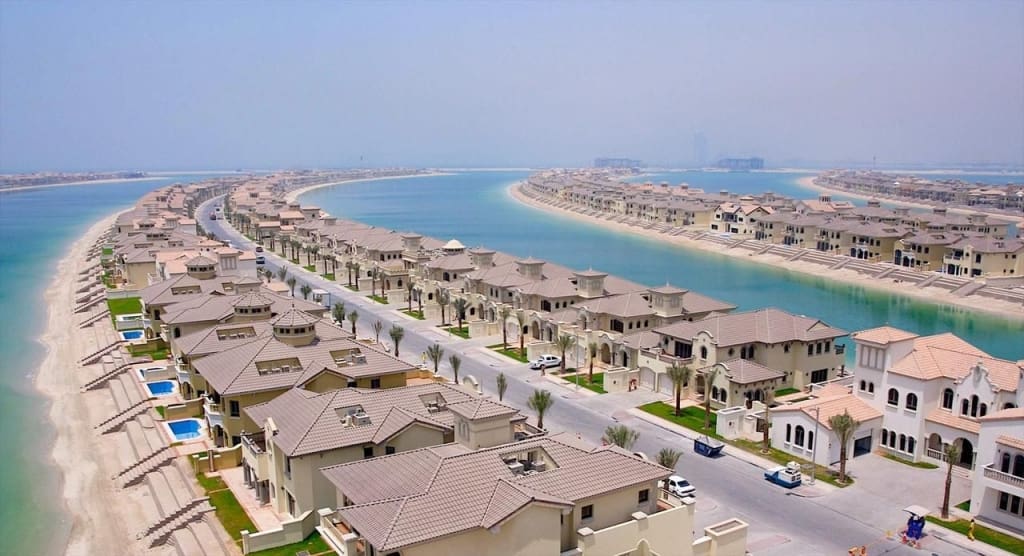
Dubai can be a very good property market in 2026. But it’s not good in the same way for everyone. And it’s definitely not forgiving if investors enter with unrealistic expectations.
This article isn’t written to convince you to invest. It’s written to help you decide whether Dubai actually fits your investment mindset, based on how the market behaves in reality — not how it is advertised.
Table of Contents
1. What the Dubai Property Market Looks Like in 2026
2. Why Global Investors Are Looking at Dubai Property
3. Rental Yields in Dubai
4. Capital Appreciation in 2026
5. Risks Investors Must Understand
6. Dubai vs Other Global Property Markets
7. Is Dubai Safe for Foreign Investors?
8. Who Dubai Property Suits in 2026
9. FAQs
10. Final Thoughts
11. How Infinity Realty Helps Investors
What the Dubai Property Market Looks Like in 2026
One important thing needs to be said upfront.
Dubai in 2026 is not driven by the same boom-and-bust cycles seen in earlier years. The market is increasingly supported by long-term residents and working professionals rather than speculative buyers.
What is supporting demand today?
• Growing resident population
• Continuous inflow of global professionals and entrepreneurs
• Mature infrastructure already built
• Residency and business policies encouraging long-term relocation
Markets driven by real usage typically behave differently from speculation-driven markets. Corrections may still happen — but fundamentals tend to remain stronger.
👉 Investors researching long-term rental performance often start by reviewing Dubai rental yield by area to understand real tenant demand patterns.
Why Global Investors Are Still Looking at Dubai Property
1. Foreign Ownership Is Clear and Protected
Dubai allows full foreign ownership in designated freehold zones. This is not a grey-area workaround — it is legally structured and government-regulated.
Foreign investors can:
• Fully own property
• Rent it
• Resell it
• Transfer ownership to heirs
👉 For detailed ownership rules, read our guide: Can Foreigners Buy Property in Dubai
👉 Investors can also verify ownership regulations through the official Dubai Land Department website
2. Taxes (or Lack of Them) Improve Net Returns
Dubai does not charge:
• Annual property tax
• Capital gains tax
• Rental income tax
This significantly protects investor returns compared to heavily taxed global markets.
👉 Investors evaluating ownership costs should review Dubai Property Taxes Explained to understand registration fees, service charges, and hidden costs.
3. Rental Demand Is Structural
Dubai’s rental demand is supported by multiple sectors:
• Long-term expatriate residents
• Corporate professionals
• Entrepreneurs
• Tourism and short-term stays
This diversification helps maintain rental stability even during global economic shifts.
Rental Yields in Dubai: Where Investors Often Misjudge
Rental yield remains one of Dubai’s biggest attractions. In several areas, returns still outperform mature international property markets.
However, investors often make one mistake:
They focus only on percentage yield and ignore real-world rental demand.
Rental success depends heavily on:
• Location connectivity
• Unit layout efficiency
• Building maintenance quality
• Service charges
👉 Investors choosing income-focused assets usually compare the best areas to buy property in Dubai for investment before selecting a unit.
👉 Investors looking for stable rental income can browse verified ready Dubai property listings here
Capital Appreciation in 2026: What’s Realistic
Dubai appreciation does not happen uniformly across all properties.
Performance depends on:
• Entry timing
• Developer reputation
• Location growth potential
• Holding period
Ready (Completed) Properties
• Lower uncertainty
• Immediate rental income
• Typically steadier appreciation
Off-Plan Properties
• Lower entry prices
• Staggered developer payment plans
• Higher appreciation potential if held long-term
👉 Investors comparing property types should review Ready vs Off-Plan Property in Dubai for a detailed risk-reward breakdown.
👉 Investors interested in long-term appreciation and flexible payment structures can explore off-plan properties in Dubai here:
Risks That Deserve Real Attention
Dubai is not risk-free. Anyone suggesting otherwise is oversimplifying the market. Common investment risks include:
• Buying in low-demand locations
• Overestimating rental income
• Ignoring service charges
• Entering without an exit strategy
👉 Investors should review real examples of mistakes in our guide: Common Mistakes People Make While Buying Property in Dubai
Dubai Compared to Other Global Property Markets
From an investment standpoint:
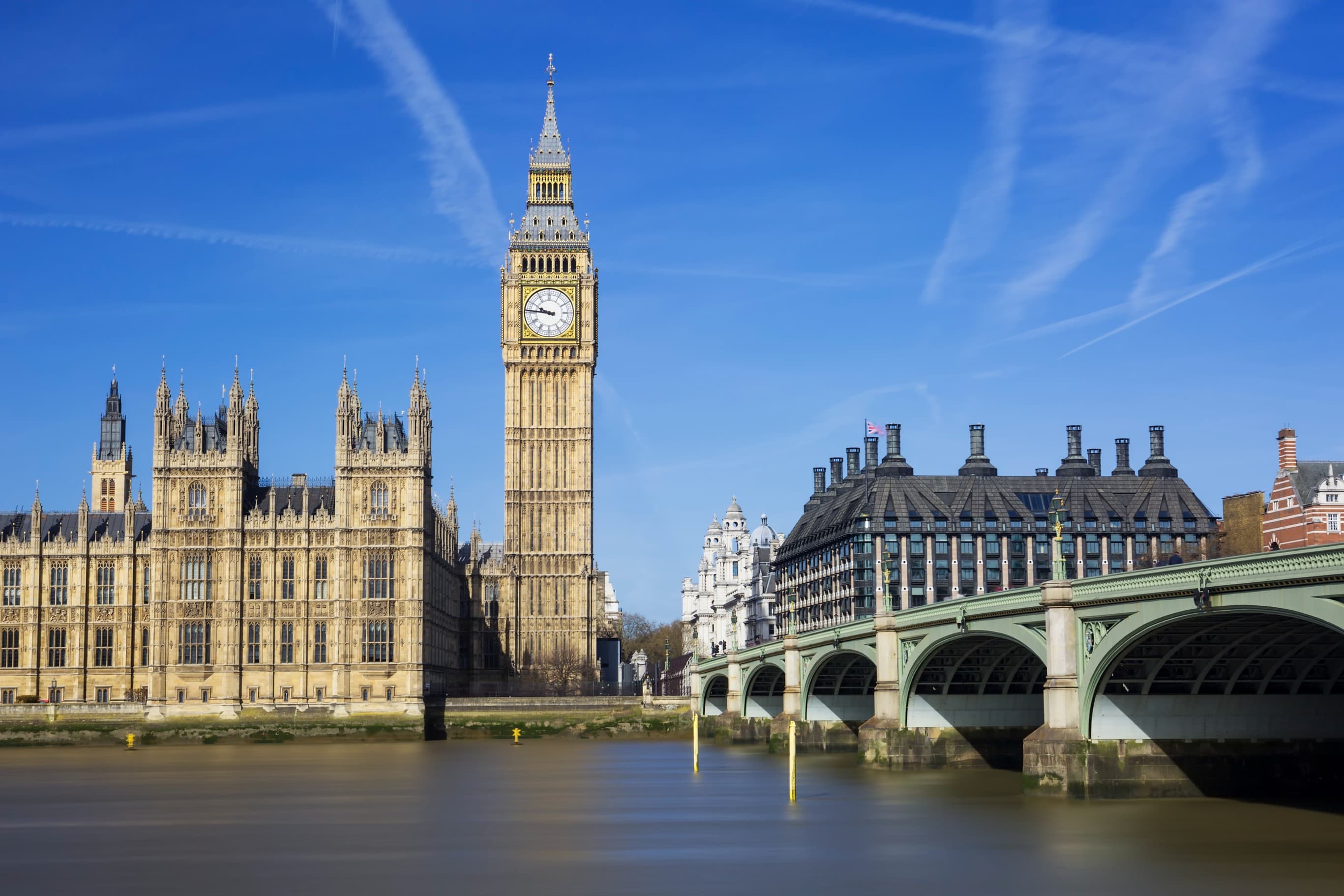
Dubai vs UK
• No annual property tax
• Lower transaction friction
Dubai vs USA
• Lower holding costs
• Simpler ownership regulations
Dubai vs India
• Higher rental yields
• More predictable tax environment
Dubai tends to suit investors who prioritise net returns and regulatory clarity rather than emotional property ownership.
Is Dubai Safe for Foreign Property Investors?
When procedures are followed properly — yes.
Property transactions, escrow accounts, and ownership registration are regulated by authorities.
👉 Learn about buyer protection in our guide: Role of RERA & Dubai Land Department in Property Buying
👉 Investors can also review escrow protection directly through the Dubai Land Department's official escrow services.
Who Dubai Property Makes Sense For in 2026
Dubai real estate generally suits:
• Long-term investors
• Buyers seeking rental income
• Investors diversifying globally
• Buyers are comfortable with multi-year holding
Dubai property is usually unsuitable for:
• Short-term speculative buyers
• Investors chasing guaranteed returns
• Buyers without an investment strategy
Dubai rewards discipline and punishes impatience.
FAQs – Dubai Property Investment in 2026**
**1. Is property in Dubai a good investment in 2026?
Yes, for investors with realistic expectations and long-term planning.
2. Can foreigners invest safely in Dubai property?
Yes, when buying in freehold zones through regulated processes.
3. Are rental returns stable in Dubai?
Rental performance varies by location, but overall demand remains strong.
4. Is off-plan property risky?
Risk mainly arises when investors ignore developer quality, escrow protection, or holding timelines.
A Straightforward Verdict
Dubai property can perform well in 2026 if investors:
• Choose locations carefully
• Understand full ownership costs
• Focus on fundamentals instead of marketing promises
• Avoid speculative decision-making
Dubai is not a shortcut market — but it can be a reliable one for disciplined investors.
Final Thoughts
Dubai offers something increasingly rare globally:
Foreign ownership rights, tax efficiency, strong rental demand, and regulated property transactions — all within a single investment environment.
It may not suit every investor. But for buyers who plan carefully and stay grounded, Dubai property can remain a powerful part of a global investment portfolio.
Thinking About Investing in Dubai Property in 2026?
Infinity Realty helps global investors identify properties aligned with long-term fundamentals and rental performance.
Our team assists investors with:
✔ Data-driven project recommendations
✔ Rental yield comparison and analysis
✔ Payment plan and financing guidance
✔ Developer verification and negotiation
✔ End-to-end purchase support
👉 Browse carefully selected Dubai investment property listings
👉 Explore flexible payment-plan off-plan investment opportunities
👉 Speak with our Dubai property advisors
International investors from India, the UK, and other global markets have successfully diversified portfolios through Dubai real estate with structured long-term investment strategies.
Disclosure
Written based on practical experience advising international property investors on market cycles, rental performance, and strategic real estate investment decisions in Dubai.